
From “I Can’t” to “Let Me Try”: Rosie’s Journey to Confidence
Rosie joined Gymlab as a thoughtful pre-schooler who often believed a gymnastics skill was too difficult before attempting it. Through patient coaching, manageable challenges and the freedom to progress at her own pace, she gradually discovered what she was capable of.
Her journey shows how children's gymnastics can help build confidence, independence and self-belief without pressure to perform.

When Rosie joined our youngest gymnastics group, she was sensitive, observant and cautious about unfamiliar activities.
She preferred clear instructions, small steps and having a coach nearby when something felt difficult.
Her response to challenging skills was often "I can't", even before trying.
Our goal was not to push Rosie beyond her comfort zone. We wanted to create opportunities for her to discover her abilities while feeling supported and in control.
The Challenge: Learning to Believe She Could
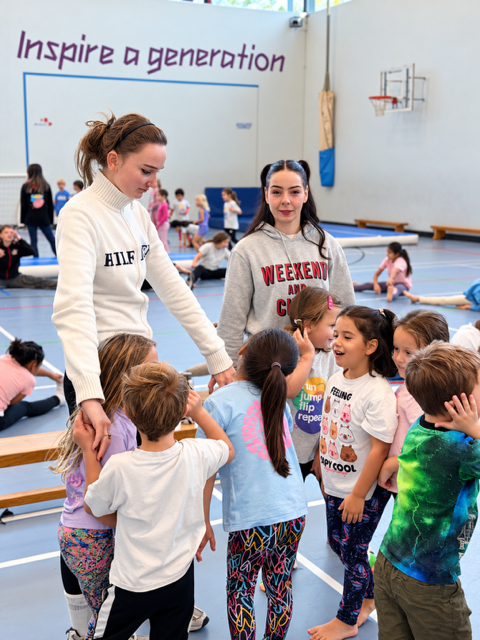
Our Approach: Building Confidence Through Small Steps
At Gymlab, we recognise that every child develops at their own pace. For Rosie, this meant combining structured gymnastics coaching with patience, reassurance and independence
-
Rather than expecting Rosie to complete unfamiliar movements immediately, our coaches introduced skills gradually.
She could practise each stage, repeat movements and develop confidence before progressing.
-
When Rosie hesitated, a coach stayed close to offer guidance.
If she said "I can't", we did not argue or insist. We gave her time and allowed her to decide when she was ready.
This approach helped Rosie feel increasingly comfortable attempting new challenges.
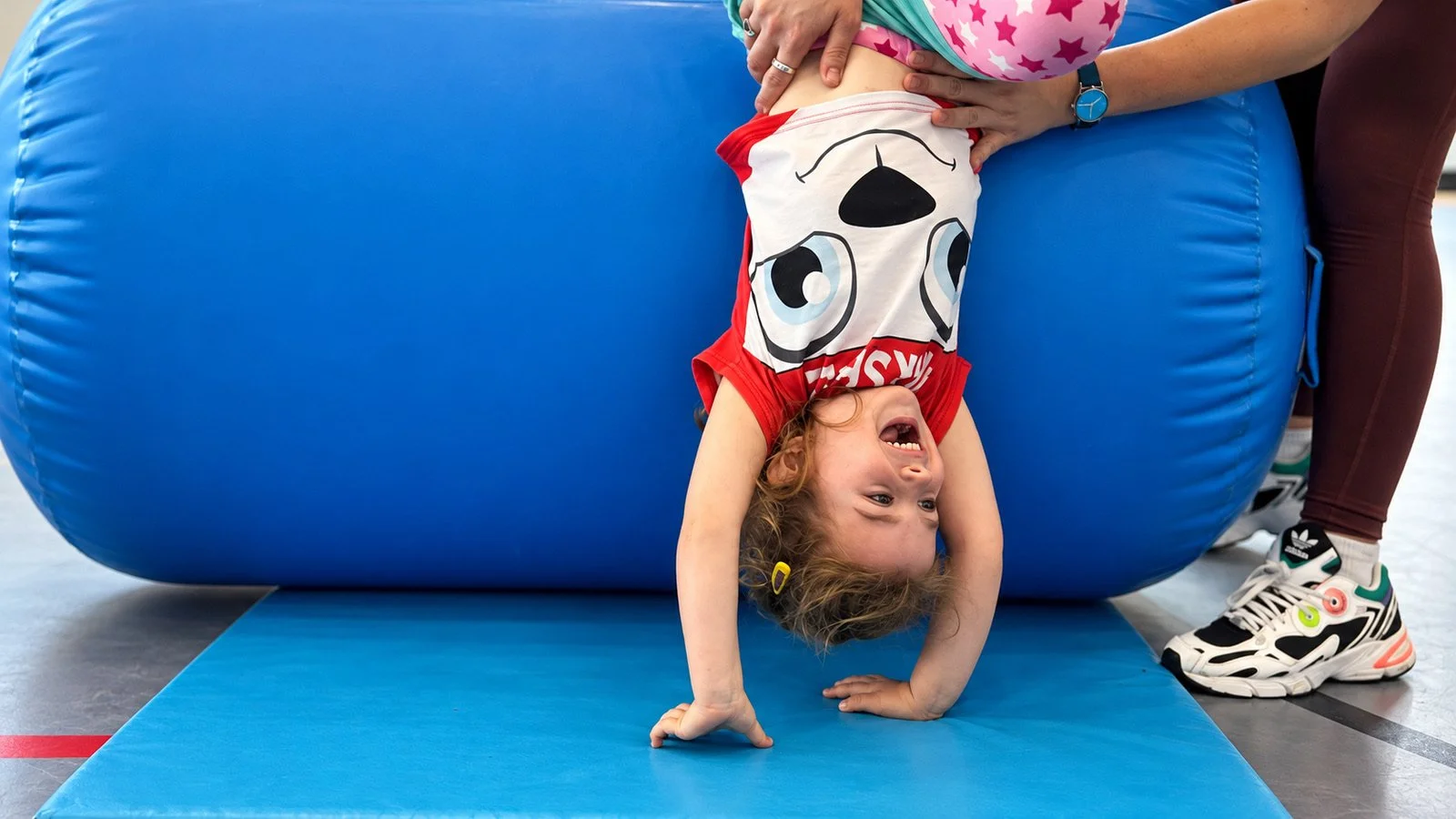
The Breakthrough: Trying the Monkey Bars
Flips on the monkey bars became an important milestone.
Initially, Rosie did not want to attempt them. With time, smaller steps and a coach beside her, she eventually decided to try.
She discovered she could complete a movement she had previously believed was impossible.
Similar moments followed. Rosie would hesitate, consider the challenge and then give it a go.
Gradually, the gap between "I can't" and "let me try" became shorter.
Supporting Rosie Through a New Gymnastics Group
Moving into the next gymnastics group presented another challenge.
New coaches, unfamiliar children and a busier environment felt overwhelming for someone who found change difficult.
Rather than moving her immediately, we introduced a gradual transition.
For several weeks, Rosie spent half of each session with her original group and half with her new one.
This allowed her to become familiar with the change while maintaining a reassuring connection to her previous group.
Eventually, Rosie moved across completely and felt proud to be part of the "big group".
Gymnastics shows remained Rosie's greatest hurdle.
For a long time, she became upset when it was time to perform and wanted to return to her parents.
We reassured her that participating was entirely her choice. There was no pressure to perform before she felt ready.
Then, during one show, Rosie made that decision herself.
She joined her group and performed.
The achievement was not simply taking part in a show. It was recognising that she felt ready and choosing to participate independently.
Her Biggest Achievement: Choosing to Perform
Rosie continues to attend Gymlab every week, and her confidence has grown considerably.
Her progress includes:
Greater self-belief: She now attempts unfamiliar skills before deciding whether she can do them.
Growing independence: She makes decisions about her participation with greater confidence.
Adaptability: She successfully transitioned into an older gymnastics group.
Personal achievement: She chose to perform in a show without pressure.
Rosie's progress demonstrates that meaningful development is not always about mastering increasingly difficult gymnastics skills.
Sometimes, the greatest achievement is becoming confident enough to try.
The Results: Confidence Beyond Gymnastics Skills
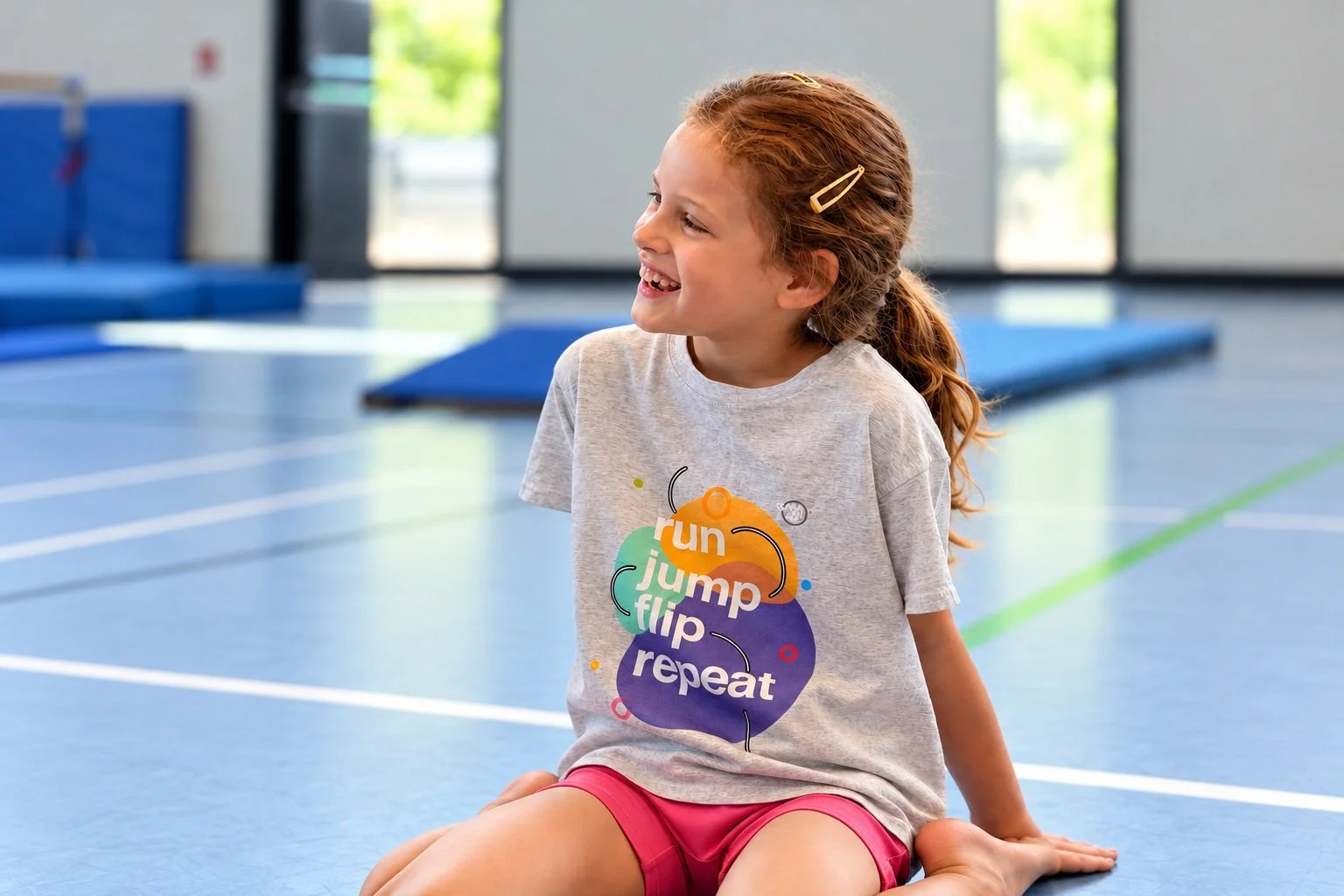
Rosie's journey reflects Gymlab's education-informed approach to children's gymnastics.
By combining structured skill development with calm, nurturing coaching, we help children explore movement, develop independence and progress at their own pace.
For Rosie, patience and encouragement helped transform uncertainty into a willingness to try.
Discover more about our teaching philosophy or explore other Gymlab success stories.
What Rosie's Story Shows About Child-Led Gymnastics
Help Your Child Build Confidence Through Gymnastics
Every child approaches new challenges differently. At Gymlab, our gymnastics classes for children aged 3–12 provide opportunities to develop movement skills, confidence and independence in a supportive environment.
Explore our classes or register your child to begin their own gymnastics journey.
Names and some identifying details have been changed to protect the child's privacy.