Choosing The Right Gymnastics Class For Your Child
Choosing the right gymnastics class for your child is rarely as straightforward as it first seems. From the outside, many classes look similar, but once you look a little closer, the experience can vary quite a lot.
For most parents, the real question is not “what is the best gymnastics class?” but “what is the right class for my child right now?”
If you keep that in mind, the decision becomes much clearer.
A Simple Way To Think About It
If you are unsure where to start, focus on this.
The right class is one where your child feels comfortable enough to try, not pressured to perform.
That usually means:
The environment feels calm and welcoming
The coach supports rather than pushes
The structure gives guidance but allows flexibility
If a class feels too intense or overly focused on performance early on, it can quickly take the enjoyment out of it, especially for younger or more cautious children.
Start With Your Child, Not The Options
It is easy to compare timetables, locations and prices, but those things matter less than how your child will actually experience the session.
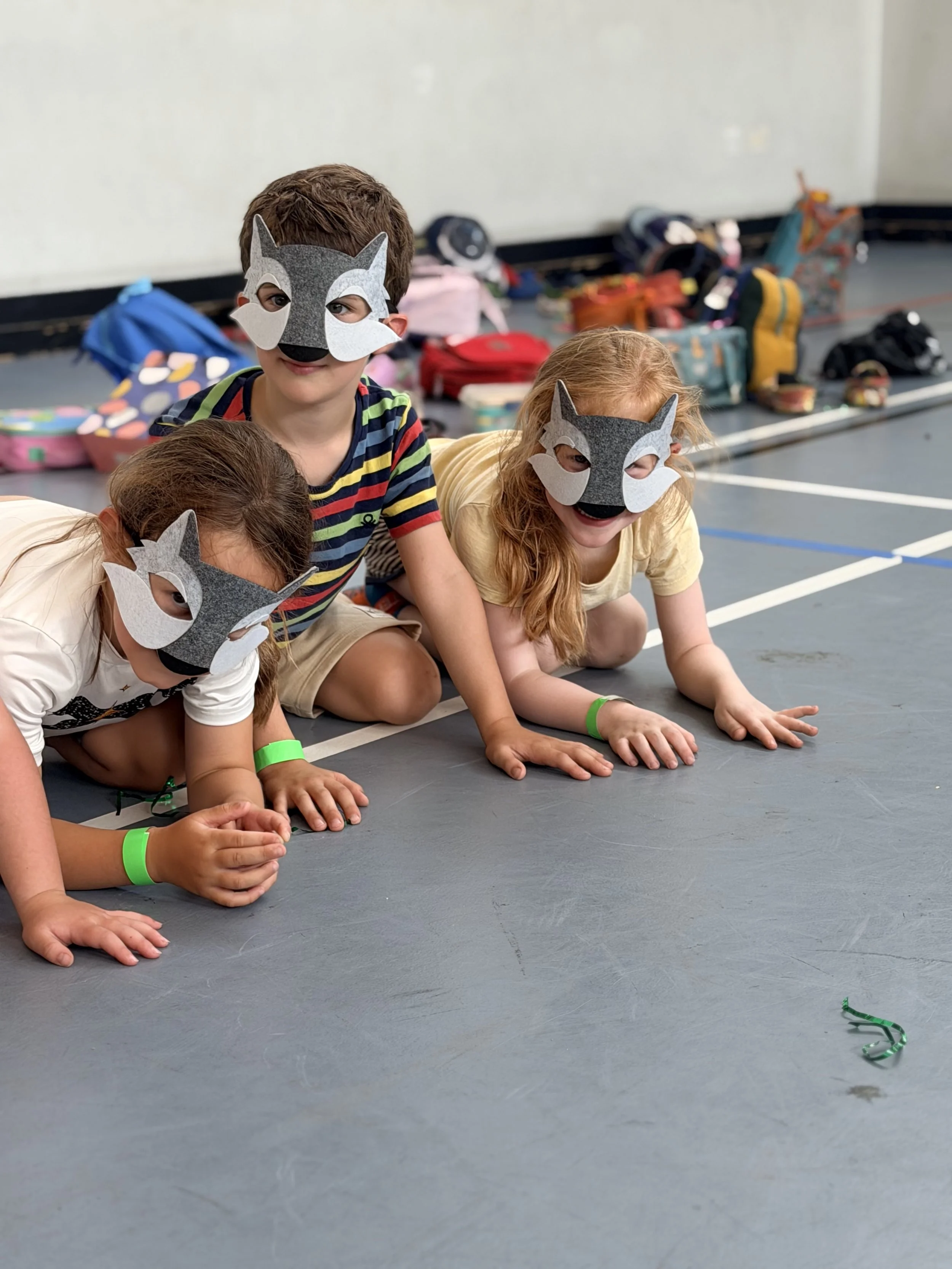
Some children walk into a new activity ready to try everything. Others prefer to stand back, watch and slowly build confidence. Both are completely normal.
The key is choosing an environment that matches that starting point.
If your child is naturally confident, they may enjoy a bit of challenge and progression. If they are more cautious, they will benefit from a space where they are allowed to settle in gradually.
This is often where parents notice the biggest difference over time. You can see how that confidence builds in practice in our post about how gymnastics builds confidence in children.
What Actually Makes A Good Gymnastics Class
When you visit or research different options, it helps to know what to look beyond.
A good gymnastics class is not just about what is being taught, but how it is being delivered.
For example, a well-structured session will usually have a clear flow, but it will not feel rushed or rigid. Children will move between activities, repeat movements and gradually become more comfortable with the environment.
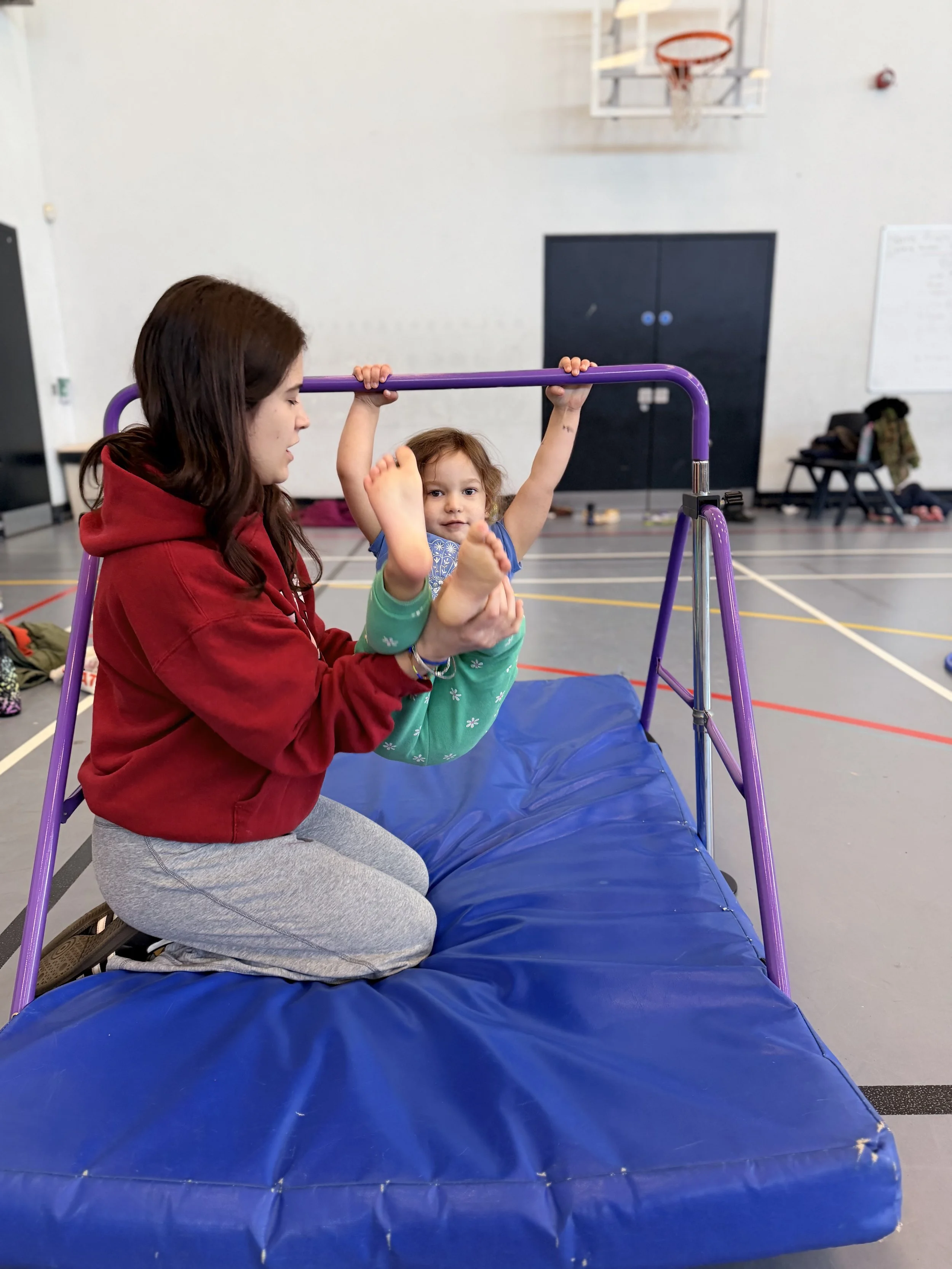
There should also be space for independence. Not every child learns best by being told exactly what to do at every moment. Sometimes, being able to explore and repeat a movement on their own is what builds confidence.
If you want a clearer idea of how this works in practice, you can readwhat to expect at gymnastics.
And if you are comparing options, it can also help to exploredifferent gymnastics classes and how they are structured.
The Role Of The Coach Is Bigger Than You Think
One of the biggest differences between classes is the coaching style.
A good gymnastics teacher is not just there to demonstrate skills. They shape how children feel in the space.
You will often notice the difference quite quickly.
In a supportive class, the coach will guide children, give them time and adapt to how each child responds. In a more rigid environment, the focus may shift too quickly towards performance or comparison.
For many children, especially those just starting out, that difference can determine whether they enjoy the class or not.
If you are curious about how coaching influences the overall experience, this article gives a helpful behind-the-scenes view ofwhat happens inside a Gymlab class
Confidence Matters More Than Ability At The Start
It is natural to think about skill level when choosing a class, but in the early stages, confidence is usually more important.
A child who feels comfortable is far more likely to try, repeat and gradually improve. A child who feels overwhelmed is more likely to hold back, even if they are physically capable.
That is why many good beginner classes focus less on “getting it right” and more on helping children feel settled and willing to participate.
Over time, this tends to lead to much stronger progress anyway.
Different Approaches Suit Different Children
You may also come across different teaching styles when researching gymnastics classes.
Some environments are very structured and technique-focused. Others take a more child-led approach, where learning happens through exploration, repetition and gradual progression.
Neither is inherently right or wrong, but one may suit your child better than the other.
If you are looking for a calmer, more development-focused environment, it can be helpful to understandMontessori-inspired gymnastics and how it works.
You Will Usually Know When It Feels Right
Parents often expect to spend a long time deciding, but in reality, the right class often becomes clear quite quickly.
You might notice that your child:
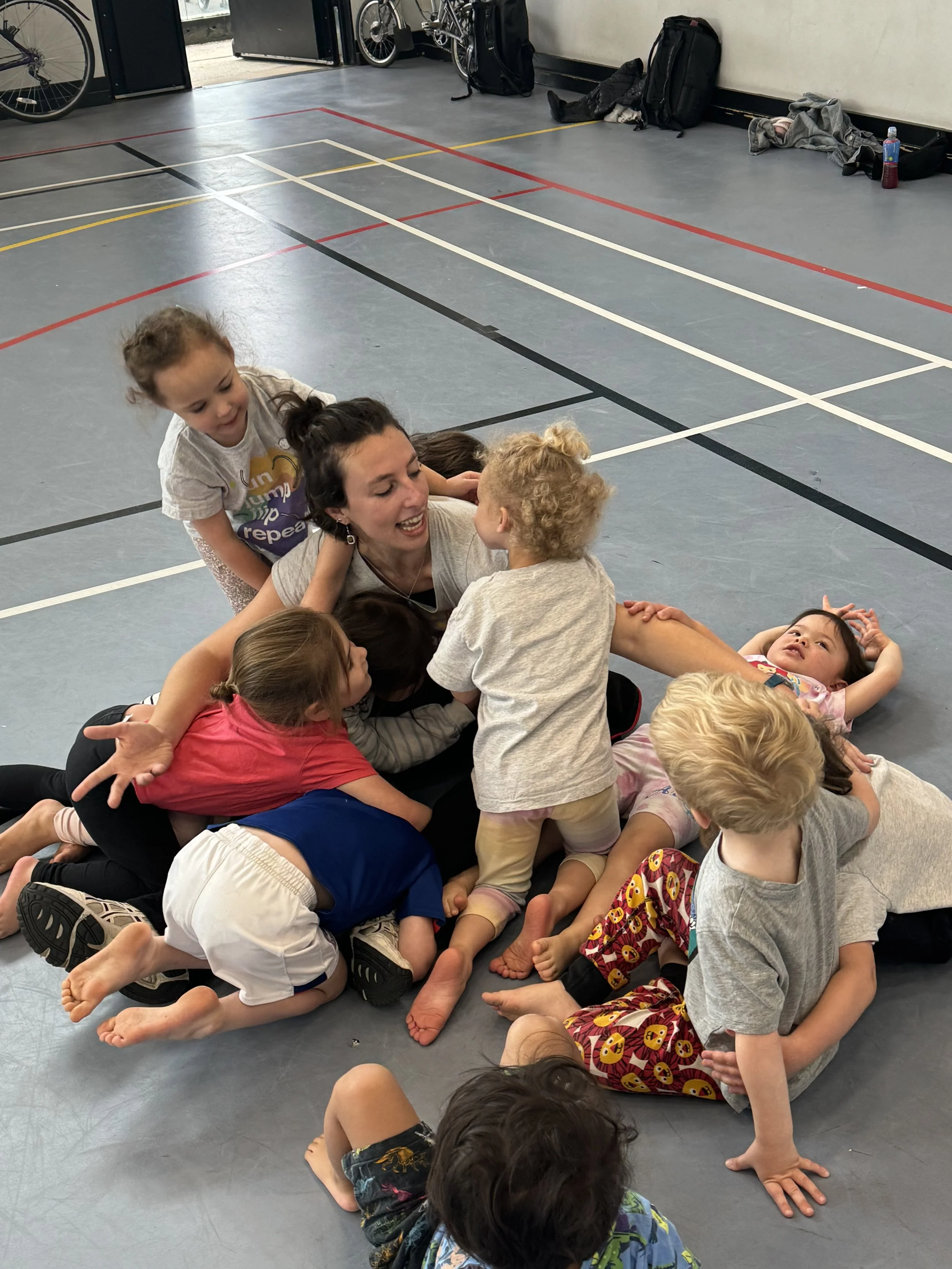
Feels comfortable in the space
Engages in their own way
Is happy to come back
Gradually becomes more confident
These are often better indicators than how quickly they learn a specific skill.
Taking The Next Step
Choosing the right gymnastics class is really about finding an environment where your child feels supported, not rushed, and encouraged to develop at their own pace.
If you would like to explore how classes are structured and what options are available, you can viewcurrent gymnastics classes here.
If you still have questions about how sessions work or what to expect, theparent FAQs page is a helpful place to start.
And when you feel ready, you can check availability andbook a class online.