How Gymnastics Helps With School Readiness And Focus
Gymnastics helps with school readiness by giving young children regular practice in listening, waiting, following instructions, managing emotions, moving confidently and staying focused on a task. These are the same skills children use every day in nursery, Reception and early primary school.
For parents, school readiness is not only about letters and numbers. It is also about whether a child can separate from a parent, join a group, try something new, cope with small challenges and feel confident in their own body.
The Simple Answer For Parents Wondering If Gymnastics Supports School Readiness
Gymnastics supports school readiness because it helps children practise:
Focus
Coordination
Independence
Confidence
Turn-taking
Emotional regulation
Listening and following instructions
In a good children’s gymnastics class, children learn to use their bodies safely, remember simple instructions and keep trying when something feels difficult. These skills carry naturally into the classroom.
Why School Readiness Is About More Than Sitting Still
Many parents worry about whether their child will be able to sit, listen and concentrate at school.
But focus does not begin with sitting still for long periods. For many young children, focus begins through movement.
Before a child can concentrate at a table, they need to develop:
Body awareness
Balance and coordination
Emotional confidence
A sense of routine
The ability to move between activities
Comfort in group settings
Gymnastics gives children a safe place to practise these skills in a way that feels natural and enjoyable.
How Gymnastics Helps Children Learn To Listen And Follow Instructions
In a gymnastics class, children hear simple instructions and then use their bodies to respond.
For example:
“Wait at the mat.”
“Jump with two feet.”
“Climb up, then come down safely.”
“Watch first, then try.”
This helps children connect listening with action. Over time, they become more confident following steps, remembering sequences and responding to adult guidance.
How Gymnastics Helps With Focus
Gymnastics helps with focus because children practise paying attention to one task at a time.
A child might concentrate on:
Balancing along a beam
Landing safely
Holding a shape
Waiting for their turn
Moving through a circuit in order
For young children, this kind of active concentration can feel easier than being asked to sit still. They are learning focus through doing.
How Movement Supports Emotional Regulation
School can bring big feelings. Children may need to cope with separation, busy classrooms, new friendships and unfamiliar routines.
Gymnastics can support emotional regulation by helping children:
Use physical activity to release energy
Feel more in control of their bodies
Practise waiting and turn-taking
Build confidence through repetition
Recover from small mistakes
Move between excitement and calm
At Gymlab, this is supported through a calm, nurturing coaching style. Children are not pushed to perform before they are ready. They are guided to build trust, confidence and independence at their own pace.
Why Coordination And Body Awareness Matter At School
Physical development plays a bigger role in school readiness than many parents realise.
Children use coordination and body awareness when they:
Sit comfortably on the carpet
Move safely around a classroom
Use playground equipment
Hold posture at a table
Take part in PE
Manage personal space around others
Gymnastics supports these skills through climbing, balancing, rolling, jumping and controlled movement.
How Gymnastics Builds Confidence Before School
Confidence is a key part of school readiness.
A child who feels capable is more likely to try, ask questions, join in and keep going when something is difficult.
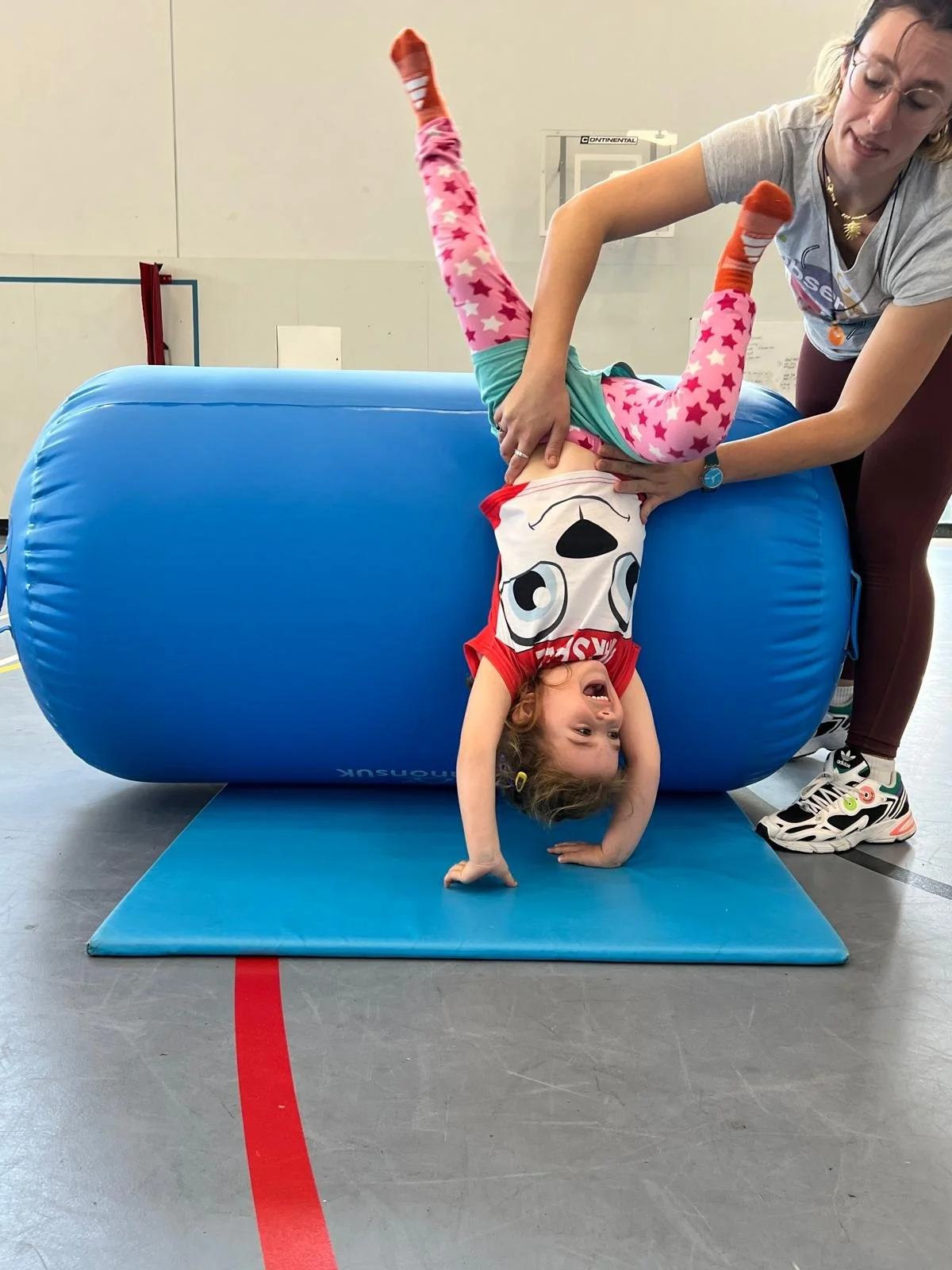
Gymnastics helps children experience small, manageable challenges. They might try a new movement, climb a little higher, balance for longer or join a group activity without help.
These small wins matter.
You can read more in Gymlab’s guide tohow gymnastics builds confidence in children.
The Role Of Routine In Helping Children Feel Ready
School life is full of routines.
Arriving, changing activity, listening, waiting, tidying, joining a group and saying goodbye all require practice.
Gymnastics classes help children become familiar with structured sessions in a gentle way. A typical class may include:
Arrival and settling time
Warm-up
Skill stations
Group activities
Independent exploration
A calm finish
This rhythm helps children understand what comes next, which can reduce anxiety and support independence.
What Parents May Notice Over Time
Every child develops differently, but parents may begin to notice:
Better listening
More confidence joining groups
Improved balance and coordination
More willingness to try new things
Greater independence
Improved focus during short tasks
More resilience after mistakes
These changes often build gradually. Gymnastics is not a quick fix, but regular movement in a supportive setting can help children develop skills that are useful far beyond the gym.
Why The Coaching Approach Matters
Not every activity supports school readiness in the same way.
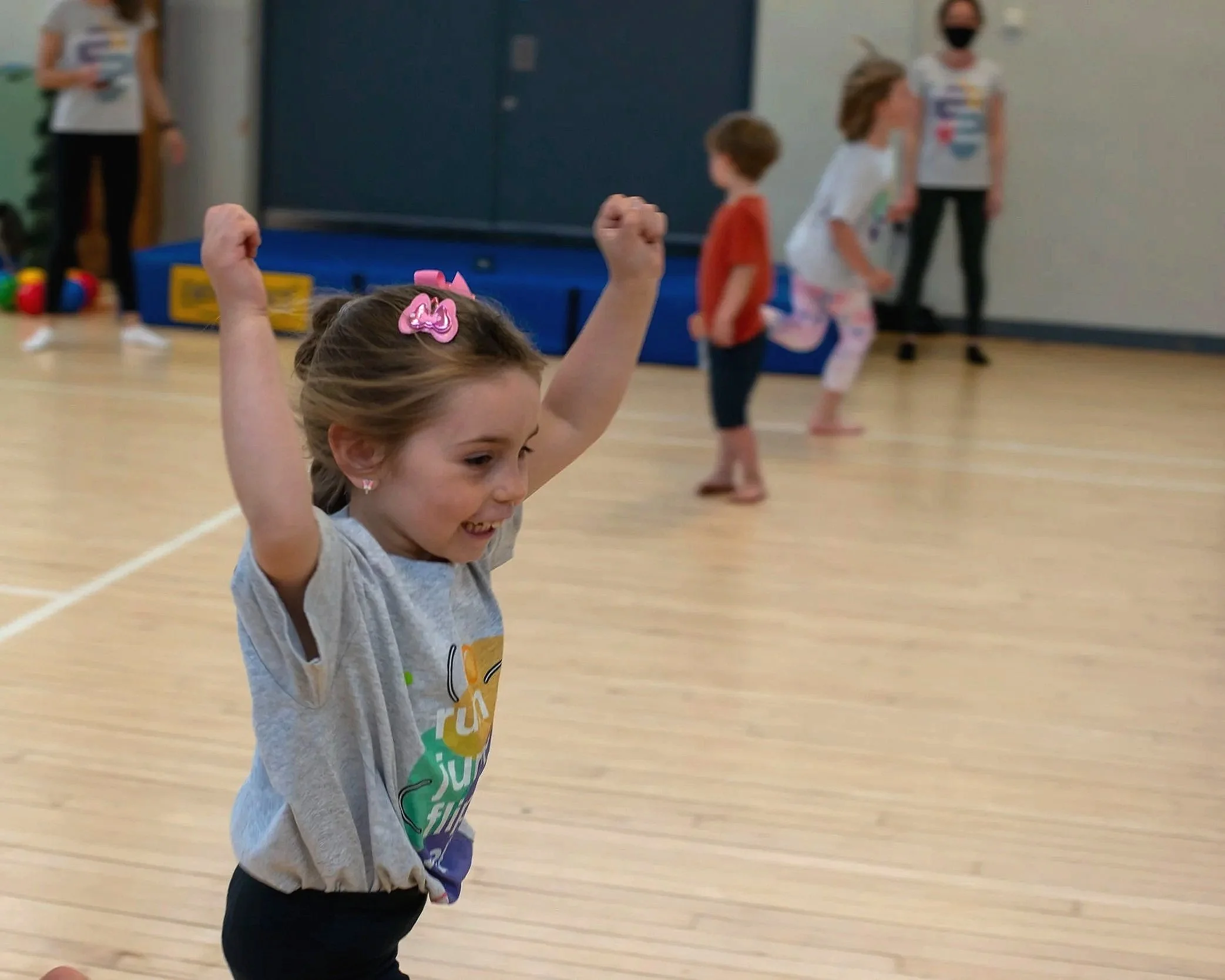
The most helpful environment for young children is one where they feel safe, respected and encouraged without pressure.
Gymlab’s approach is child-led and education-informed, with inspiration from Montessori principles. The focus is not only on gymnastics skills, but also on confidence, independence, teamwork and holistic development.
Parents can explore more about this in Gymlab’s article onMontessori-inspired gymnastics.
When Gymnastics Classes Can Be Especially Helpful
Gymnastics may be particularly helpful if your child:
Has lots of energy
Finds sitting still difficult
Is nervous in group settings
Needs support with confidence
Enjoys physical play
Is preparing for nursery, Reception or early primary school
Benefits from routine and repetition
For families exploring gymnastic classes in East London, a calm, structured class can give children a positive place to practise these early learning behaviours.
How To Support School Readiness At Home Too
Parents can support these skills outside the gym by:
Giving children simple two-step instructions
Encouraging independent dressing and tidying
Praising effort rather than perfection
Practising turn-taking through games
Reading short stories together
Creating predictable routines
Allowing safe opportunities for climbing, balancing and outdoor play
The goal is not to rush children into being “school ready”. It is to help them feel secure, capable and confident as they grow.
Helpful Articles To Read Next
If you are exploring gymnastics for your child, these Gymlab guides may also help:
-
Yes, gymnastics can help children practise concentration by giving them short, focused tasks that involve listening, remembering and controlled movement.
-
Many children benefit from starting between ages 3 and 5, as this is when they are developing confidence, independence, coordination and early group skills.
-
Yes. For many children, movement helps them learn how to manage energy, focus attention and regulate their body before they are expected to sit for longer periods.
-
No. A good beginner class should support children who are shy, cautious or unsure. Confidence often grows through regular attendance and gentle encouragement.
-
Yes. Gymnastics supports listening, coordination, turn-taking, resilience and confidence, all of which are useful in Reception and early primary school.
Final Thoughts For Parents Preparing For School
School readiness is not about making children grow up too quickly. It is about helping them feel confident, capable and ready to take part.
Gymnastics can support that journey by giving children a positive place to move, listen, focus, try, wait, share and build confidence one step at a time.
If you are considering children’s gymnastics classes in East London, you can explore Gymlab’s class options.