Montessori-Inspired Gymnastics: What Makes Gymlab Different
When parents search for Montessori activities, they're often looking for more than just something to keep their child busy. They're looking for experiences that support independence, confidence, curiosity, and meaningful development.
While Montessori is most commonly associated with classroom learning, many of its principles can also be applied to movement and physical activity. At Gymlab, Montessori-inspired thinking influences how we design our environment, structure sessions, and support children as they learn new skills.
Rather than focusing solely on gymnastics techniques, our approach aims to help children develop physically, socially, and emotionally through movement.
What Does Montessori-Inspired Movement Look Like?
In simple terms, Montessori-inspired activities encourage children to learn through exploration, choice, and hands-on experience.
Instead of relying on constant instruction, adults create an environment that encourages children to engage, experiment, and build confidence independently.
Applied to movement, this means children are given opportunities to:
Explore equipment safely
Make age-appropriate choices
Progress at their own pace
Develop problem-solving skills
Learn through repetition and experience
The goal is not to remove guidance entirely. Rather, it is to provide support while allowing children to take ownership of their learning wherever possible.
A Quick Answer For Parents
If you're looking for Montessori activities that support physical development, Montessori-inspired gymnastics combines movement, exploration, independence, and skill development in a structured environment. Children are encouraged to learn through experience, build confidence through practice, and develop at their own pace rather than being pushed towards performance targets.
Why Independence Matters In Children's Activities
One of the core ideas behind Montessori education is helping children become capable and confident individuals.
This doesn't mean children are left entirely to their own devices. It means creating opportunities for them to make decisions, solve problems, and experience success for themselves.
In gymnastics, this might look like:
Choosing which station to attempt first
Deciding when they feel ready to try a new skill
Repeating movements until they feel comfortable
Learning through observation and experimentation
Over time, these small experiences can help children develop confidence that extends beyond physical activity.
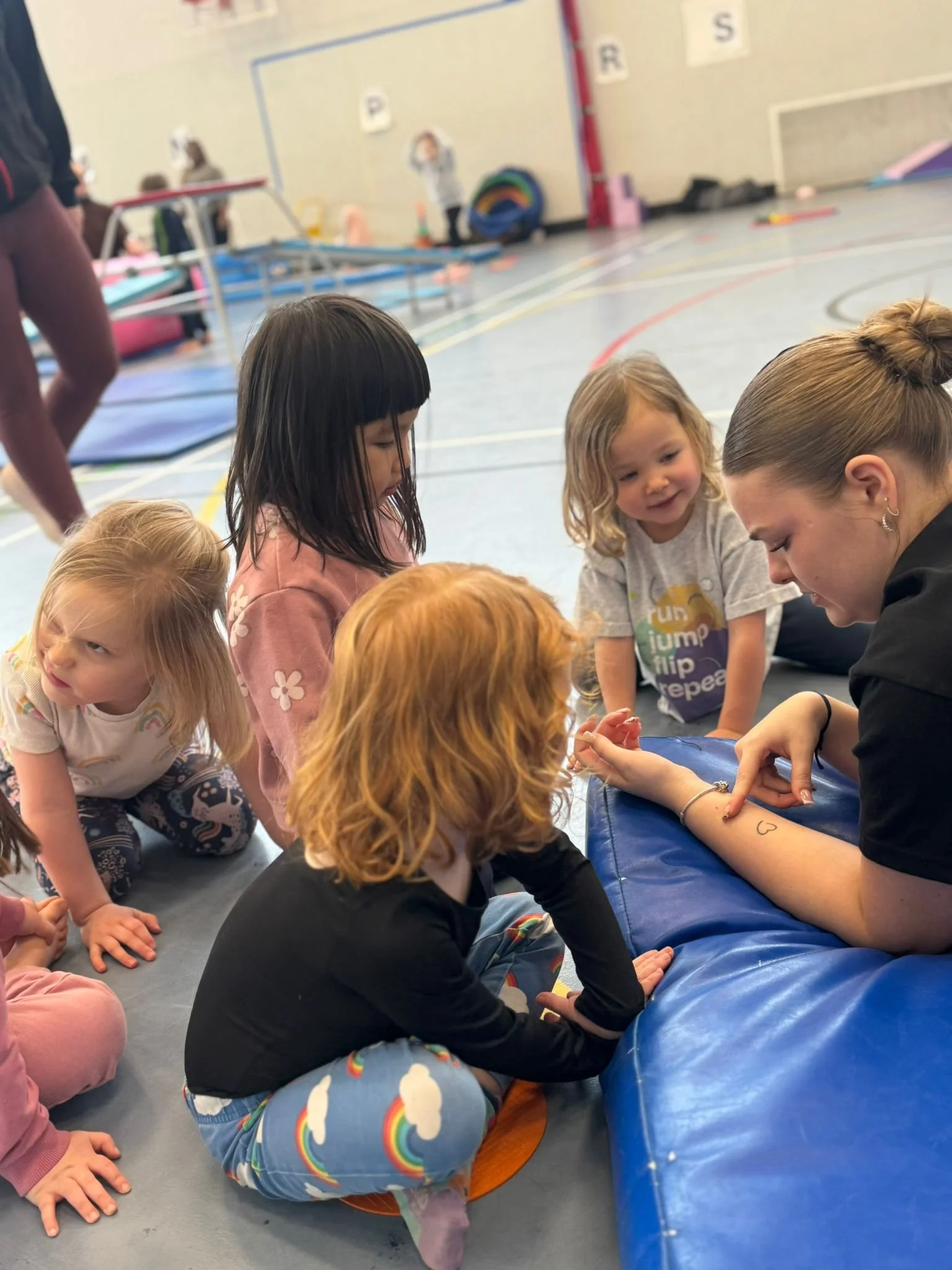
From what we see in our gymnastics classes in East London, children often take pride in mastering skills they have worked towards independently, even when the achievement seems small to adults.
How The Environment Influences Learning
Montessori philosophy places significant importance on the learning environment.
The idea is simple. Children are more likely to engage positively when the space itself encourages exploration and focus.
This is something that strongly influences the way Gymlab sessions are designed.
Equipment is arranged intentionally, with clear pathways and structured stations that encourage movement, discovery, and progression. Rather than relying on constant correction or discipline, the environment helps guide behaviour naturally.
You can learn more about our coaching philosophy and session structure in our article, A Look Inside Gymlab.
Why Montessori-Inspired Gymnastics Isn't About Performance
Many parents worry that gymnastics can become overly focused on achievement, competition, or performance.
While gymnastics can certainly be challenging, a Montessori-inspired approach places greater emphasis on the learning process than the outcome.
Children are encouraged to:
Try new things without fear of failure
Learn from mistakes
Celebrate effort and persistence
Build confidence through practice
Progress according to their individual readiness
This approach can be particularly valuable for children who are naturally cautious or who need more time to feel comfortable in new environments.
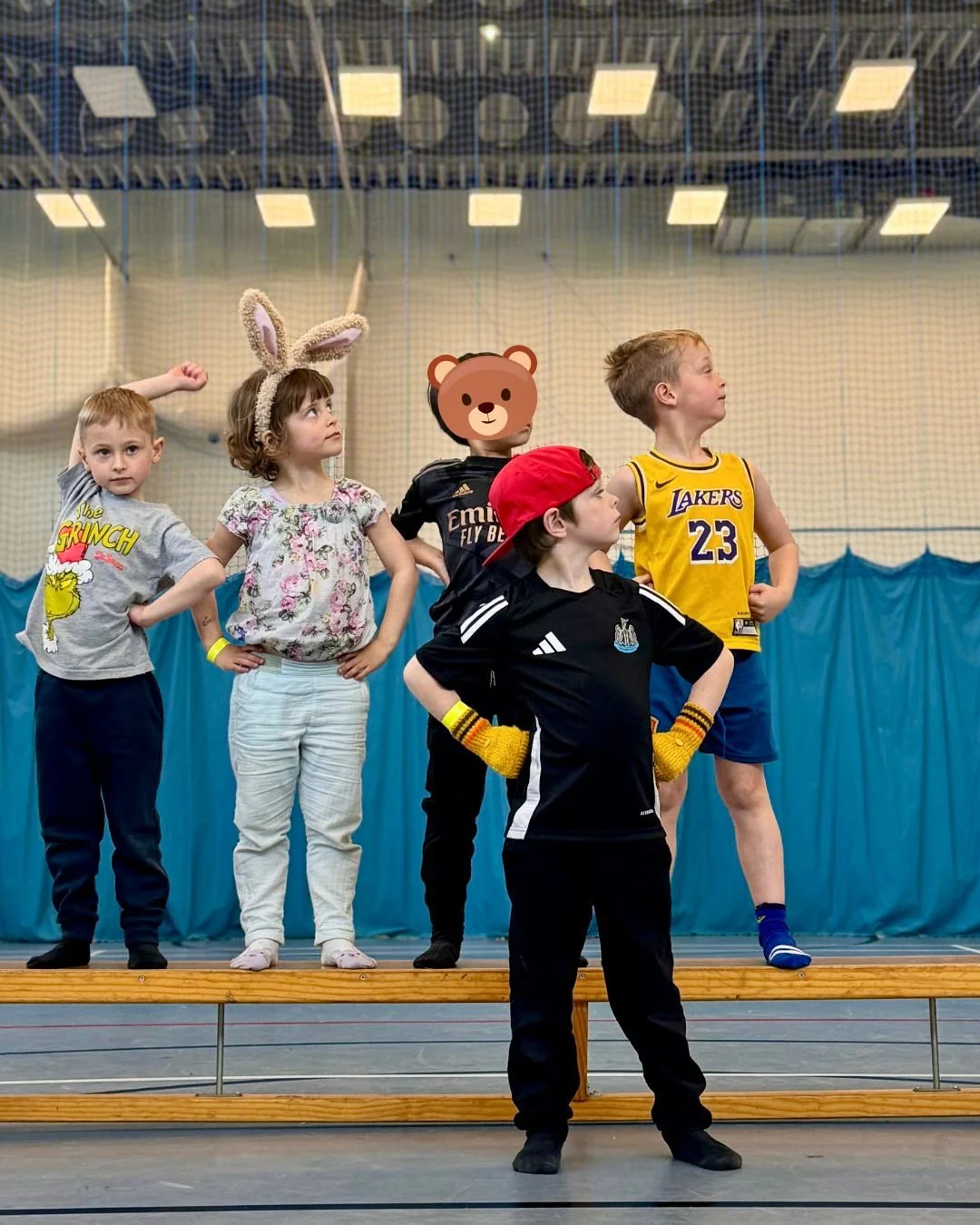
The Connection Between Movement And Child Development
Physical activity plays an important role in children's development.
According to the NHS, regular movement supports physical health, coordination, emotional wellbeing, and confidence in children. Read more.
Movement-based activities also help children develop:
Balance and coordination
Spatial awareness
Focus and concentration
Emotional regulation
Social skills
Gymnastics naturally combines many of these elements, making it a valuable activity for children's overall development.
How Children Learn Differently In A Montessori-Inspired Setting
Not every child approaches learning in the same way.
Some children are eager to try new things immediately. Others prefer to observe first.
A Montessori-inspired approach recognises these differences and allows children to engage in ways that feel appropriate for them.
For example:
The Child Who Likes To Observe
Some children need time to watch before joining in.
Rather than forcing participation, they are given space to become familiar with the environment and build confidence gradually.
The Child Who Loves Repetition
Many children enjoy repeating the same movement over and over.
Repetition is often how mastery develops, and children are encouraged to practise until they feel confident.
The Child Who Wants A Challenge
More confident children can continue developing skills while still being encouraged to focus on technique, control, and movement quality.
What Parents Often Notice First
Interestingly, parents do not always mention gymnastics skills first.
Many tell us they notice changes such as:
Increased independence
Greater willingness to try new things
Improved confidence
Better focus
More resilience when facing challenges
These are often the qualities that remain valuable long after a gymnastics session ends.
You can read more about this in our article, How Gymnastics Builds Confidence In Children.
Can Montessori Principles Work In Group Activities?
Yes.
While Montessori education is often associated with individual learning, many of its principles can be applied within group settings.
Children still benefit from:
Independence
Choice
Exploration
Respectful guidance
At the same time, they also learn important social skills such as:
Cooperation
Communication
Taking turns
Learning alongside others
This balance helps create an environment where children can develop both individually and as part of a group.
Frequently Asked Questions
-
Montessori activities are experiences designed to encourage independence, hands-on learning, exploration, and child-led development.
-
Montessori-inspired gymnastics applies principles such as choice, independence, exploration, and self-paced learning within a structured gymnastics environment.
-
No. Children still benefit from clear guidance, routines, and safety measures. The difference is that learning is supported rather than controlled.
-
Yes. Children can participate regardless of previous gymnastics experience and progress at their own pace.
-
You can explore our philosophy on the Our Vision page or learn more about our gymnastics classes.
Supporting Children Through Movement, Confidence And Independence
Parents searching for Montessori activities are often looking for experiences that help children become confident, capable, and curious learners.
Movement can play an important role in that journey.
By combining gymnastics with principles of independence, exploration, and respectful guidance, children can develop physical skills alongside confidence, resilience, and self-belief.
If you'd like to learn more about Gymlab's approach to child development through movement, explore our gymnastics classes or visit our blog for further resources and parent guides.