Wondering whether toddler gymnastics is right for your child? Perhaps they love climbing, jumping and exploring, or you're looking for an activity that helps them develop confidence and coordination.
Toddler gymnastics introduces young children to movement through age-appropriate games, simple physical challenges and guided play. Rather than focusing on advanced skills, it encourages children to discover what their bodies can do in a supportive environment.
But when should children start, and what actually happens in a class? Here's what parents need to know.
What Exactly Is Toddler Gymnastics?
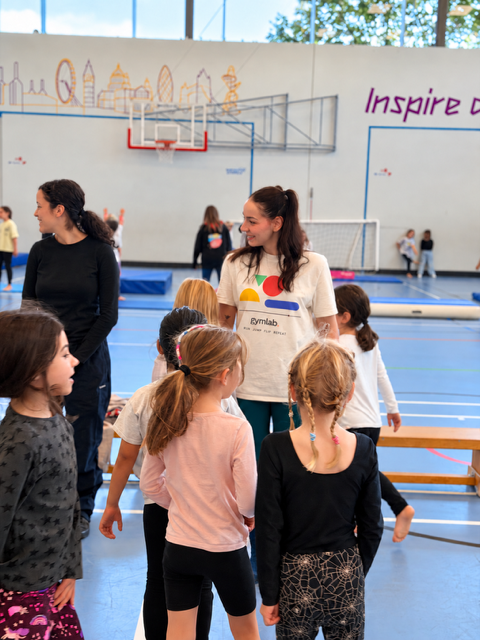
Toddler gymnastics is an early-years physical activity that uses playful movement to develop balance, coordination, strength and body awareness. Sessions typically include climbing, jumping, rolling, balancing and exploring suitable equipment.
Unlike traditional gymnastics, the emphasis is on building fundamental movement skills rather than mastering routines.
Children learn through repetition, experimentation and play, developing confidence as they become more comfortable with different movements.
What Age Can Children Start Gymnastics?
Some parent-and-child movement programmes welcome children younger than three, while independent preschool gymnastics classes commonly begin around ages three or four.
There isn't one perfect starting age. Readiness depends on your child's confidence, communication, physical development and ability to participate in a group.
At Gymlab, our early-years gymnastics classes begin at age three.
For many three-year-olds, gymnastics provides an opportunity to practise following simple instructions, exploring equipment and developing independence without expecting perfect technique.
What Happens in a Toddler Gymnastics Class?
A well-designed session balances structure with freedom to explore.
Children might begin with playful warm-up movements before moving between activities that introduce different physical challenges.
Balancing, Jumping and Climbing
Activities may include walking along low balancing equipment, jumping between markers or climbing over soft obstacles.
These movements encourage children to experiment with weight, direction and control.
Rolling and Body Awareness
Simple rolling exercises and floor-based movements help children explore different body positions.
The goal isn't to perform every movement correctly straight away. It's to become familiar with moving safely and confidently.
Games and Guided Exploration
Movement games can introduce listening, turn-taking and following instructions.
At this age, children often learn best when activities feel like play rather than formal exercises.
What Are the Benefits of Toddler Gymnastics?
Early-years gymnastics offers opportunities to practise important physical and social skills.
Balance and coordination: Navigating obstacles and changing direction helps children develop greater control over their movements.
Gross motor skills: Climbing, jumping and rolling encourage the use of larger muscle groups.
Confidence: Trying something unfamiliar and gradually succeeding can help children feel more capable.
Independence: Choosing activities and attempting challenges encourages children to make decisions.
Social development: Group activities provide opportunities to practise sharing space, listening and taking turns.
These benefits develop differently for every child. Progress might mean jumping confidently for the first time, attempting a new activity or simply feeling comfortable joining a group.
The NHS physical activity guidelines for under-fives recommend at least 180 minutes of varied physical activity daily for children aged one to four. For three- and four-year-olds, this should include at least 60 minutes of moderate-to-vigorous activity.
Gymnastics can contribute to this alongside outdoor play, walking, dancing and everyday movement.
How Does Gymnastics Support Early Learning?
Young children learn through doing.
When a child works out how to cross a balancing obstacle, they're not only practising physical coordination. They're also experimenting, making decisions and adjusting their approach.
A child might initially avoid an unfamiliar activity, watch others participate and eventually decide to try it.
These small experiences provide opportunities to practise patience, problem-solving and self-confidence.
Our Montessori-inspired approach to gymnastics recognises the value of exploration and allows children to develop at their own pace.
Is Toddler Gymnastics Suitable for Shy or Nervous Children?
Yes, provided the class environment respects each child's individual readiness.
Some children enthusiastically explore every activity. Others prefer watching before joining in.
Neither response is unusual.
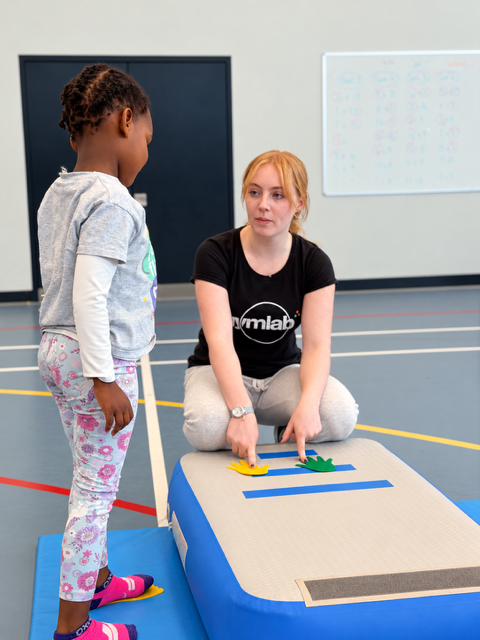
A supportive coach should allow time for children to become familiar with the space, equipment and people around them.
At Gymlab, we favour calm encouragement over pressure. Participation doesn't need to look identical for every child.
For a nervous beginner, simply attempting one unfamiliar movement can represent meaningful progress.
How Can Parents Prepare for the First Class?
Preparation doesn't need to be complicated.
Choose comfortable clothing that allows unrestricted movement, explain that the session will involve games and physical activities, and avoid placing expectations on what your child should achieve.
Arriving with enough time to settle can also help.
If your child feels uncertain, acknowledge their feelings and give them space to adjust. Confidence often grows through familiarity rather than persuasion.
Frequently Asked Questions
-
Yes. Age-appropriate gymnastics offers three-year-olds opportunities to practise movement, balance, coordination and social interaction through play.
-
No. Beginner preschool gymnastics should introduce foundational movements without requiring previous experience.
-
The terms often overlap. Toddler programmes may include younger children and parent participation, while preschool gymnastics typically introduces more independent, structured activities.
-
Young children are still developing attention and listening skills. Good early-years coaching uses clear instructions, demonstrations and flexible participation rather than expecting perfection.
-
One weekly class can provide a regular opportunity to explore movement and build familiarity. Children should also enjoy varied physical activity throughout the week.
Helping Your Child Take Their First Steps Into Gymnastics
The best introduction to gymnastics isn't about how quickly a child learns a particular skill. It's about helping them enjoy movement, explore new challenges and develop confidence at a comfortable pace.
At Gymlab, our child-led GymPlay sessions introduce children aged three and above to gymnastics through thoughtful, education-informed activities and nurturing coaching.
If you're considering a first class, explore our GymPlay programme to learn more about our approach and find out whether a trial session could suit your child.