What Skills Are Taught in Beginner Gymnastics Classes?
If your child has never tried gymnastics before, you may be wondering what they will actually learn in their first few classes.
Beginner gymnastics classes usually focus on foundational movement skills such as balance, coordination, jumping, rolling, landing and body control. Children also practise wider skills including listening, taking turns, confidence, independence and working alongside others.
The aim is not to rush children towards advanced gymnastics. Good beginner classes give them the foundations they need to move safely, understand their bodies and become comfortable learning new skills.
What Do Children Learn First in Gymnastics?
The first skills taught in beginner gymnastics generally fall into two groups:
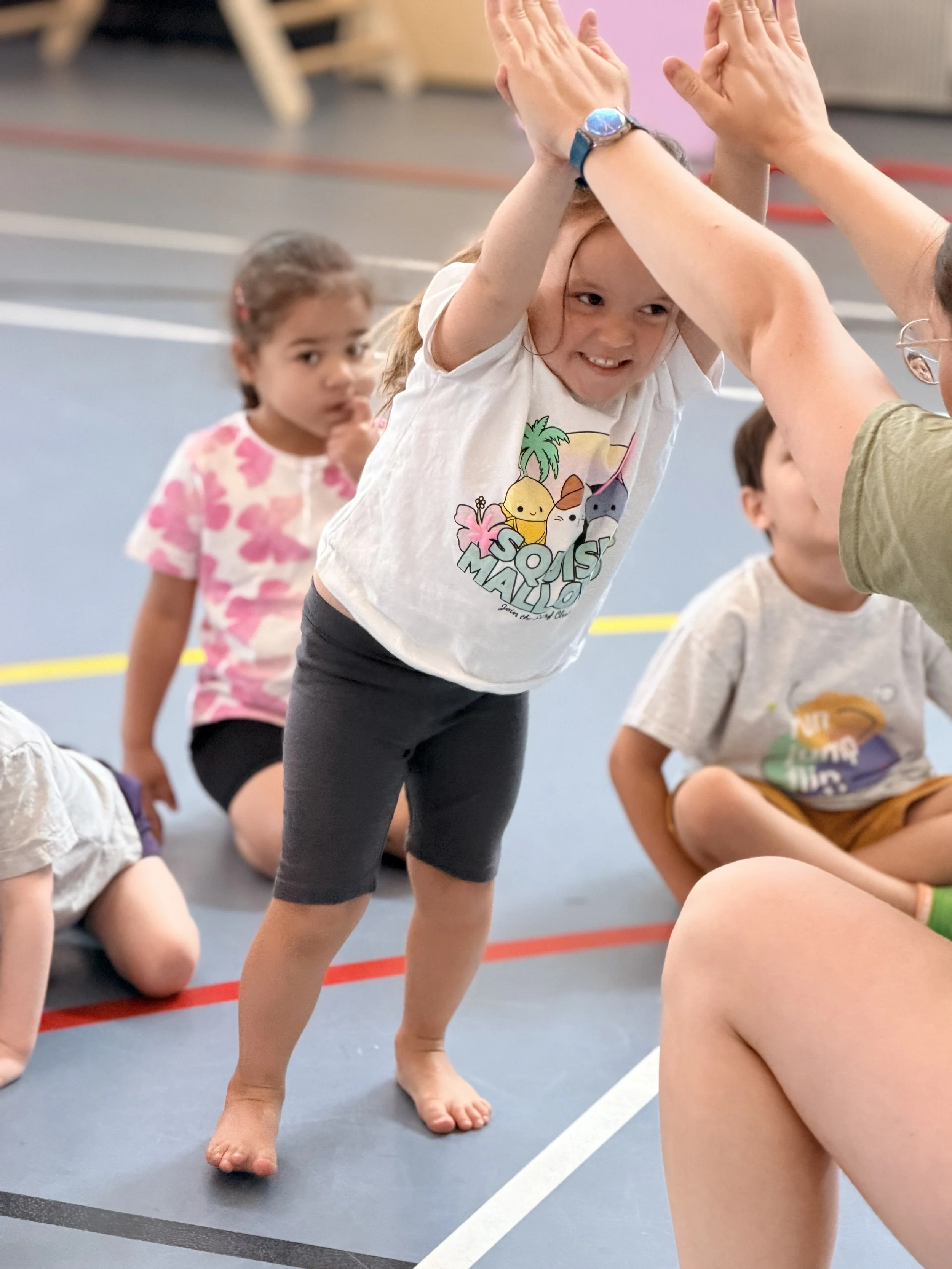
Physical skills: balance, coordination, strength, body control, flexibility, rolling, jumping, landing and spatial awareness.
Developmental skills: listening, following instructions, confidence, independence, focus, persistence, turn-taking and teamwork.
Exactly what a child learns will depend on their age, experience, confidence and the way their class is structured.
Balance and Coordination
Balance is one of the most important beginner gymnastics skills.
A child might start by standing on one leg, walking along a line or low balance surface, holding a simple body position or moving carefully between different pieces of equipment.
Coordination develops alongside balance. Children learn to control different parts of their body together, for example using their arms while jumping or positioning their hands correctly during a movement.
These simple exercises form the foundations for more complex gymnastics skills later on.
Strength and Body Control
Beginner gymnastics also introduces children to using their own body weight.
Climbing, supporting themselves through their hands, holding simple shapes and moving through different positions can all help children develop strength and body awareness.
At this stage, the goal is usually not to perform difficult strength exercises. It is to help children understand how their bodies move and how to control those movements safely.
Rolling, Jumping and Landing
Rolling, jumping and landing are common parts of early gymnastics.
Children may practise simple rolls, two-footed jumps, different jumping shapes and controlled landings. Coaches can break movements into manageable steps so children understand how to perform them safely before progressing.
Learning how to land with control is particularly important because it teaches children that completing a movement safely matters just as much as starting it.
Listening and Following Instructions
Not everything children learn in gymnastics is physical.
A class also gives children regular opportunities to listen to instructions and turn them into actions.
They might be asked to:
Wait at a particular station
Watch a demonstration
Remember two or three movements in sequence
Take their turn
Move safely around other children
Stop and listen when instructions change
These experiences can help children practise focus and become more comfortable following a structured routine.
You can read more about this in our guide to how gymnastics can support school readiness and focus.
Confidence and Independence
For a beginner, confidence might mean trying a new piece of equipment, joining an activity without reassurance or repeating something that felt difficult the first time.
It does not have to mean performing an impressive skill.
At Gymlab, children are supported to progress at their own pace. The coaching approach is calm and education-informed, with children given opportunities to explore, repeat movements and become more independent rather than being pushed to perform before they feel ready.
This approach is influenced by Montessori principles, particularly the importance of independence, exploration and the learning environment. You can learn more about Gymlab’s Montessori-inspired approach.
Turn-Taking and Teamwork
Gymnastics may look like an individual activity, but children spend a lot of time learning alongside others.
Beginner classes can involve sharing equipment, waiting for a turn, moving through circuits together and watching other children demonstrate movements.
These everyday interactions create opportunities to practise patience, cooperation and awareness of other people.
How Quickly Do Beginners Progress?
There is no single timetable for learning gymnastics.
One child may quickly feel confident jumping or balancing but need more time with rolls. Another may understand the movements straight away but take several weeks to feel comfortable joining in independently.
Age, previous movement experience, confidence and regular attendance can all affect progression.
A useful way for parents to think about progress is to look beyond individual gymnastics skills. Becoming more willing to try, listening more confidently or moving around the gym independently can all be meaningful signs of development.
You can explore this wider view of progress in how gymnastics builds confidence in children.
Do Children Need Any Gymnastics Skills Before Starting?
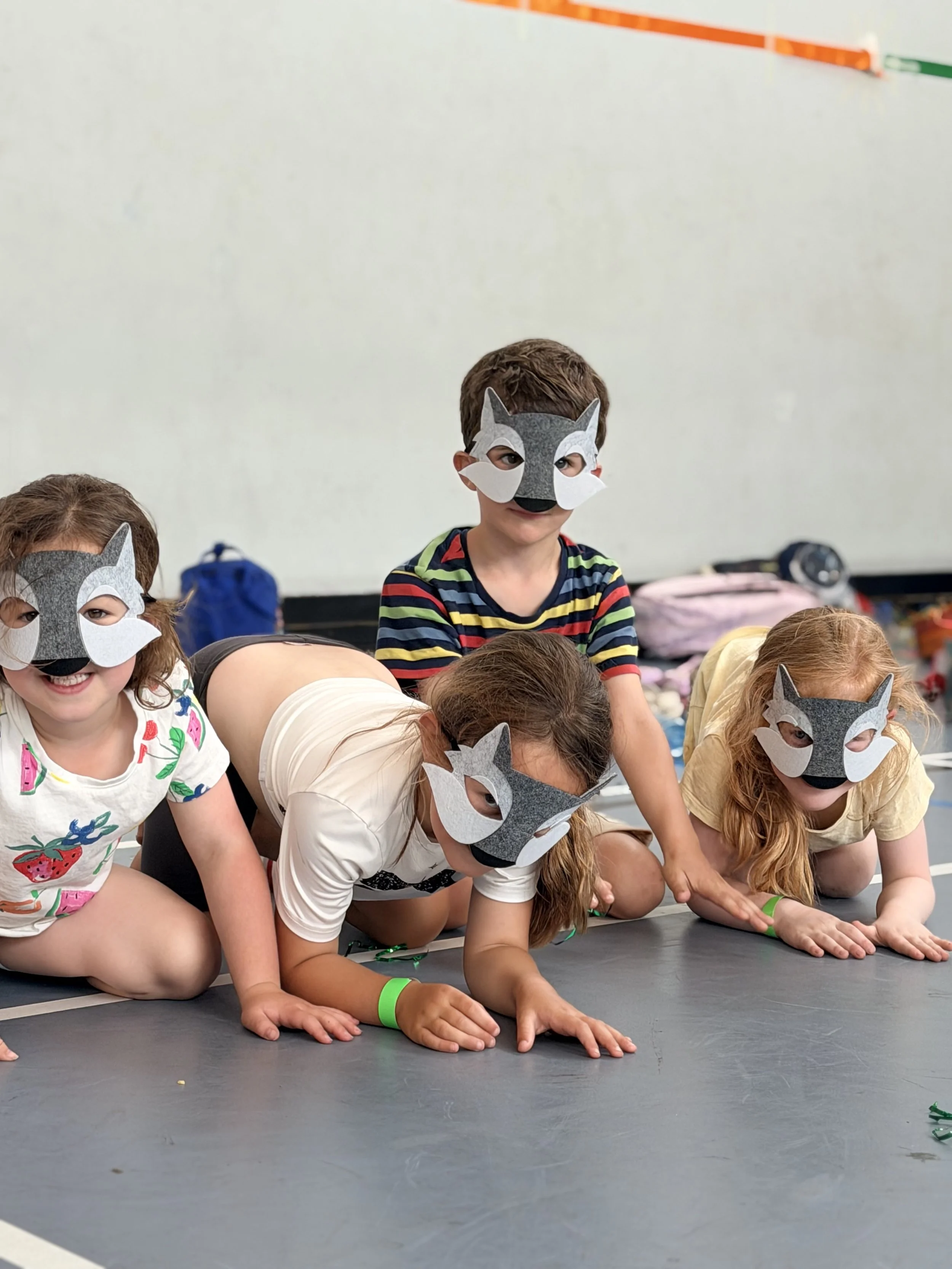
No. Beginner gymnastics classes are designed for children who are still learning the fundamentals.
A child does not need to know how to cartwheel, roll or balance before their first class. They should be given opportunities to start at an appropriate level and build skills gradually.
If your child is preparing to attend for the first time, our guide to what to expect at gymnastics explains how sessions work and how parents can help children feel prepared.
Frequently Asked Questions
-
There is no single first skill. Beginner classes often introduce several fundamental movements together, including balancing, jumping, rolling, travelling and simple body shapes.
-
Not necessarily. Coaches may first work on the strength, coordination, body position and confidence needed for skills such as cartwheels before expecting children to perform the complete movement.
-
Gymnastics gives children repeated opportunities to coordinate different parts of their body while balancing, jumping, rolling, climbing and moving through activity stations.
-
It is common for some children to watch before joining in or need time to become familiar with a new environment. A supportive beginner class should allow children to settle gradually rather than expecting everyone to respond in the same way.
-
No. Alongside movement skills, children can practise listening, independence, turn-taking, focus, persistence and learning alongside other children.
Building Foundations Before Bigger Skills
The most important part of beginner gymnastics is not how quickly a child reaches a particular skill.
It is building strong foundations.
Balance, coordination, body control and safe movement give children the physical basis for future gymnastics, while confidence, listening and independence help them become more comfortable learners.
For families considering children’s gymnastics in East London, Gymlab offers weekly classes for children aged 3–12 in Stratford and Islington, with a child-led approach that allows children to progress at their own pace.
You can explore our children’s gymnastics classes or, if your child is ready to get started, view current booking options.